
In Ahmedabad, a quieter definition of luxury is taking shape — one rooted not in logos or spectacle, but in material intelligence, narrative depth and cultural continuity.
At the centre of this shift is Bougainvillea, an experiential craft and design gallery that is reframing how craft and commerce coexist in contemporary India.
For founder Ishita Parikh, the relationship between the two is not adversarial but symbiotic. Craft, she believes, cannot remain frozen in nostalgia. It must evolve in form, scale and context to sit naturally within modern wardrobes and homes. When traditional techniques are reinterpreted thoughtfully, they gain renewed relevance rather than becoming museum-bound artefacts.
Commerce, in this model, becomes an enabler. It provides visibility and economic dignity to makers while ensuring that heritage practices remain viable. The challenge lies in balance — resisting the dilution of craft to meet demand, and instead presenting it in ways that allow integrity and modernity to coexist.
This philosophy reflects a broader shift in retail. Today’s consumers are increasingly conscious. They want to know where something comes from, who made it and what it represents. Craft is no longer an aesthetic add-on; it is central to how individuals define their personal spaces and identities. Longevity and individuality are overtaking mass production and fleeting trends.
Retail environments are responding in kind. Increasingly, they are becoming contextual spaces rather than transactional ones — places that offer narrative and immersion instead of mere inventory.
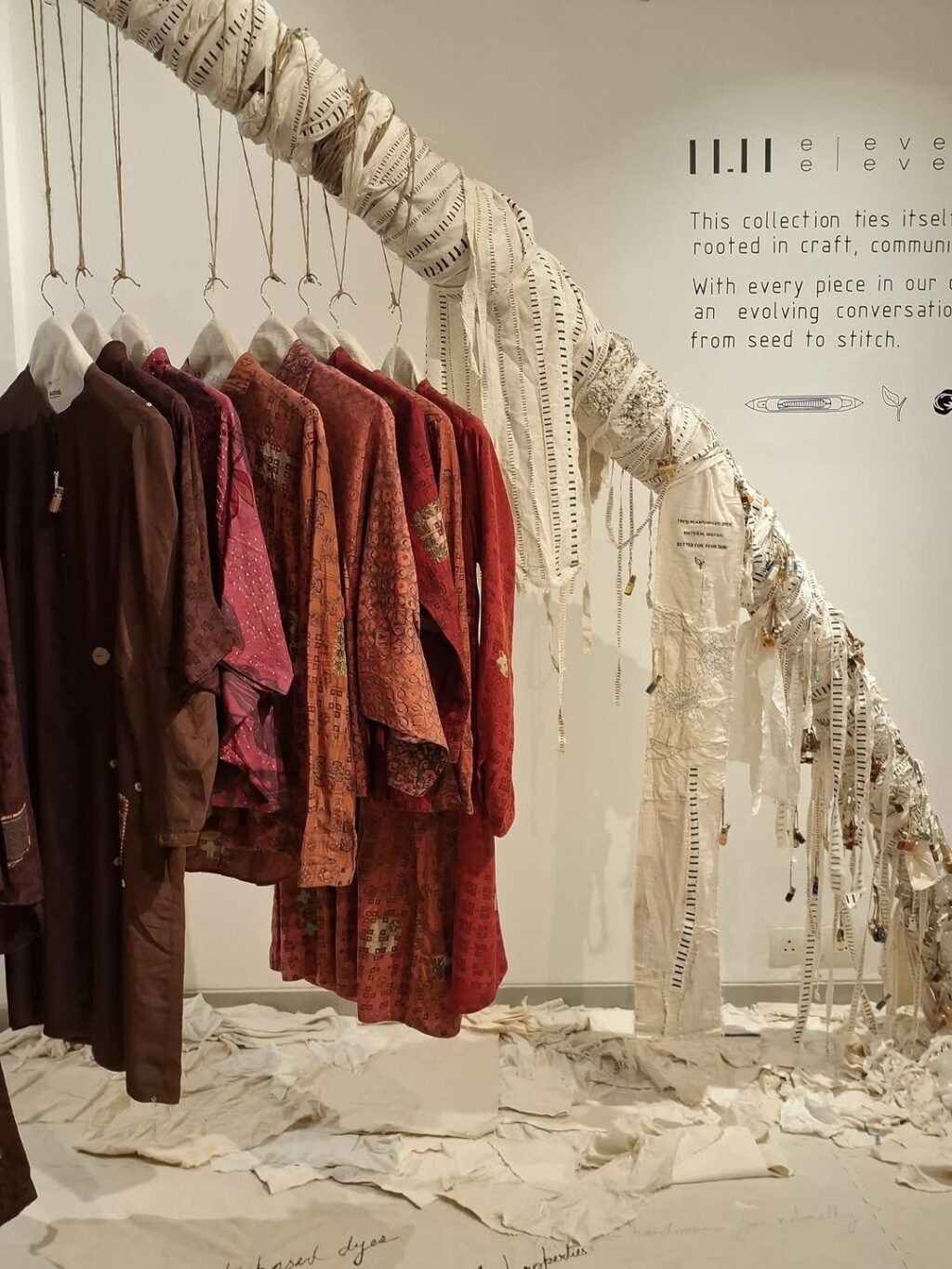
Bougainvillea’s model exemplifies this transition. Rather than rotating multi-brand displays, the gallery presents focused, single-artist exhibitions that foreground process, material research and storytelling
Garments and objects are treated as cultural works, displayed with the rhythm and intentionality of an exhibition rather than the urgency of a sales floor.
Curation, here, begins with a question: What conversation needs to be created, and why now? From that clarity flows the spatial design, the dialogue between materials, and the narrative that shapes audience engagement.
In this emerging ecosystem, luxury is no longer defined by scale but by meaning. Ahmedabad — long a textile and design capital — is quietly positioning itself at the forefront of this recalibration, proving that when craft and commerce are aligned thoughtfully, they do more than sustain each other. They redefine the future of retail itself.
More Stories
Redefining Luxury: The Rise of Goenka Jewellers (Lab Grown Diamonds) in India
Best Wedding Content Creator in India? Look No Further — The Wedding Scroll Is Here
Indian Culture rewind by Anish Rangrej – Impacting Globally