
Skin health is an important part of overall well being, yet changes in the skin are often overlooked until they become difficult to ignore. A new mole, a persistent sore, an unusual skin growth or a spot that gradually changes in appearance may raise concerns about skin cancer. Knowing when to seek medical advice can help people understand their skin health and make informed decisions about appropriate care.
In Australia, where ultraviolet (UV) radiation exposure is a significant skin cancer risk factor, awareness, sun protection and timely medical assessment are especially important. Access to appropriate medical advice can help patients understand their concerns, explore suitable treatment options and plan the next steps with confidence.
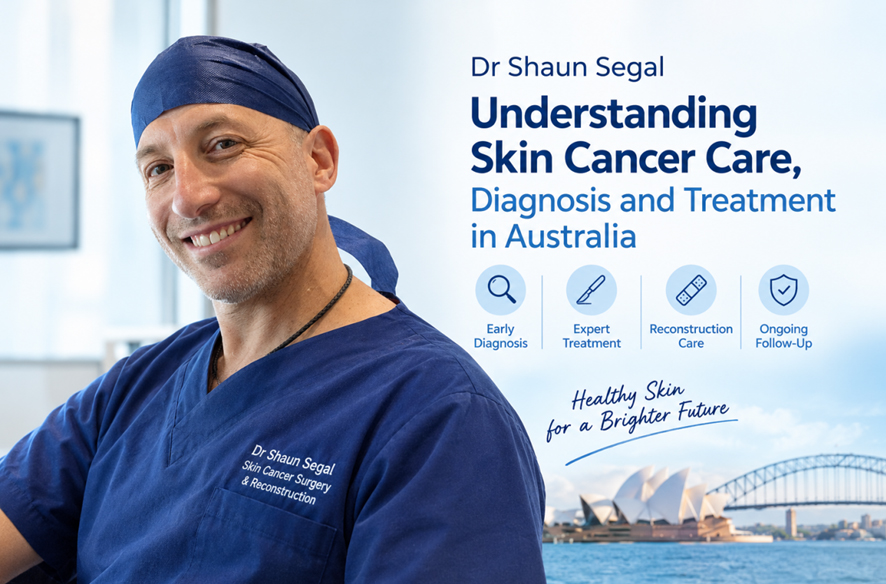
Dr Shaun Segal focuses on skin cancer assessment, diagnosis, surgical treatment and reconstruction. His professional background includes specialised training in skin cancer surgery and experience managing skin cancers that require careful treatment planning, including those affecting delicate areas of the face.
Through an approach centred on individual assessment and clear communication, Dr Shaun Segal aims to help patients understand their condition, the available treatment options and the importance of follow-up care.
Understanding Skin Cancer and Its Warning Signs
Skin cancer develops when abnormal cells in the skin grow uncontrollably. It can affect different parts of the body, including the face, scalp, ears, neck, arms, hands, back and legs. Although excessive UV exposure is a major risk factor, skin cancer can develop in different circumstances, and not every suspicious lesion has the same appearance.
Recognising changes in the skin is an important first step towards obtaining appropriate medical advice.
Some changes that may require professional assessment include:
- A new mole or spot that appears unusual.
- An existing mole that changes in size, shape or colour.
- A sore that does not heal as expected.
- A spot that repeatedly bleeds, crusts or becomes irritated.
- A rough, scaly or growing patch of skin.
- A lesion that looks different from other marks on the body.
These signs do not automatically mean that a person has skin cancer. However, persistent or changing lesions should not be ignored. A qualified healthcare professional can assess the affected area and determine whether further investigation is necessary.
Understanding the warning signs can help people take a proactive approach to their skin health instead of relying entirely on appearance or online information.
Why Skin Cancer Awareness Matters in Australia
Australia experiences high levels of UV radiation, making sun protection and skin health awareness important throughout the year. UV exposure can damage skin cells, and the effects of repeated exposure may accumulate over time.
People with a history of significant sun exposure, previous skin cancer, numerous moles or other recognised risk factors may benefit from discussing an appropriate skin examination schedule with their healthcare professional.
However, skin cancer is not limited to one age group or skin type. Anyone concerned about a changing skin lesion should seek appropriate medical advice rather than assuming that they are not at risk.
Preventive measures can include using broad-spectrum sunscreen, wearing protective clothing, seeking shade and avoiding unnecessary exposure during periods of high UV radiation. Regularly checking the skin can also help individuals notice changes that may otherwise go unnoticed.
For people who have already been diagnosed with skin cancer, ongoing monitoring may form an important part of their future care. The appropriate frequency of examinations depends on individual risk factors, medical history and the advice of the treating clinician.
Dr Shaun Segal: A Focus on Skin Cancer Diagnosis and Treatment
Choosing a medical professional for skin cancer assessment involves understanding their experience, qualifications and areas of clinical practice.
Dr Shaun Segal has a professional focus on skin cancer medicine and surgery, including the assessment of suspicious lesions, surgical removal of skin cancers and reconstructive procedures when required.
His training includes a fellowship in skin cancer surgery from the Australian College of Cutaneous Oncology. His practice information also describes experience in managing complex cases where the location of a lesion can make treatment and reconstruction more challenging.
Skin cancer treatment is not identical for every patient. The recommended approach depends on several factors, including the type of cancer, its size and location, the pathology findings and the patient’s medical history.
A consultation provides an opportunity to discuss these factors, understand the purpose of any recommended investigations and consider the treatment options appropriate to the individual case.
For patients seeking skin cancer care in Perth, having a clear explanation of the diagnostic and treatment process can make an otherwise stressful experience easier to navigate.
The Importance of Accurate Skin Cancer Diagnosis
Accurate diagnosis is essential for determining the most appropriate treatment. A suspicious skin lesion may require a clinical examination, dermoscopy, a biopsy or a combination of investigations, depending on the circumstances.
Dermoscopy uses a specialised instrument to examine skin structures that may not be visible to the naked eye. It can assist a clinician in assessing certain lesions and deciding whether additional investigation is needed.
If a lesion is considered suspicious, a biopsy may be recommended. This involves collecting a tissue sample or removing the lesion in an appropriate clinical setting so that it can be examined by a pathologist.
The pathology report helps establish the diagnosis and may provide important information for treatment planning. Patients should be given an explanation of the findings and the next steps relevant to their situation.
Dr Shaun Segal provides care focused on skin cancer assessment and management, helping patients understand why further investigation or treatment may be recommended.
It is important to remember that a photograph or online description cannot reliably confirm whether a skin lesion is cancerous. A professional assessment is the appropriate way to determine what further action may be necessary.
Skin Cancer Surgery: What Patients Should Know
Surgery is a common treatment for several types of skin cancer. The objective is to remove the cancerous tissue while considering the surrounding healthy tissue, the location of the lesion and the need to preserve normal function.
The surgical approach varies according to the diagnosis and the characteristics of the cancer. Some cases may be suitable for standard surgical excision, while others may require a more specialised procedure.
Before surgery, patients should understand why the procedure has been recommended, how it will be performed, what risks may be involved and what recovery may entail.
Depending on the clinical findings, treatment may involve:
- Surgical excision: Removing the skin cancer along with an appropriate margin of surrounding tissue.
- Further excision: Additional removal of tissue when indicated by the pathology findings or treatment plan.
- Margin-controlled surgery: A specialised approach that examines tissue margins carefully in selected cases.
- Reconstructive surgery: Repairing the affected area after removal when the size or location of the wound requires it.
The appropriate procedure should always be determined through individual clinical assessment.
Dr Shaun Segal’s areas of practice include skin cancer surgery and specialised reconstructive techniques. The treatment plan for each patient should reflect the diagnosis, the location of the lesion and the relevant clinical considerations.
Managing Skin Cancer in Sensitive Facial Areas
Skin cancers affecting the nose, eyelids, lips and ears can present additional treatment challenges. These areas have important functional and cosmetic roles, so surgical planning may require particular attention.
Removing a lesion from the face is not only about treating the cancer. Where reconstruction is needed, the clinician must also consider wound healing, the surrounding tissue, normal movement and the appearance of the repaired area.
Reconstructive options may include local tissue flaps or skin grafts, depending on the wound and the patient’s circumstances. A flap uses nearby tissue to repair a defect, while a skin graft uses skin transferred from another area of the body.
Not every patient requires complex reconstruction. The most suitable approach depends on the size and depth of the defect, the anatomical location and the findings after cancer removal.
Dr Shaun Segal has experience in skin cancer procedures involving challenging facial areas, including the nose and eyelids. His professional focus includes reconstructive techniques designed to address both medical and functional considerations.
Patients considering treatment should discuss the expected benefits, possible complications, healing process and realistic cosmetic outcomes with their treating clinician.
A Patient-Centred Approach to Skin Cancer Care
A possible skin cancer diagnosis can create uncertainty. Patients may worry about the seriousness of the condition, whether surgery will be necessary, how long recovery will take or whether treatment will leave a visible scar.
Clear communication can help address these concerns. Understanding the reason for a recommended procedure and knowing what to expect before and after treatment can help patients participate more confidently in decisions about their care.
A patient-centred consultation should allow time to discuss relevant medical history, symptoms, investigation results and treatment preferences. Patients should also have the opportunity to ask questions about risks, recovery and follow-up arrangements.
For people seeking advice from Dr Shaun Segal, the consultation process provides an opportunity to discuss individual concerns and understand the recommended next steps.
Every case is different, and no particular treatment or cosmetic outcome can be guaranteed. The aim is to develop a plan based on clinical findings and the patient’s needs.
Recovery and Long-Term Follow-Up
Skin cancer care does not necessarily end when a procedure is completed. Depending on the diagnosis and treatment, patients may need wound reviews, discussion of pathology results, scar-care advice or ongoing skin examinations.
Recovery varies according to the type and extent of surgery, the location of the wound and individual healing factors. Following the treating clinician’s wound-care instructions is important, and patients should ask for advice if they notice unexpected symptoms or have concerns during recovery.
Follow-up appointments may also help identify new or recurrent skin lesions and review the patient’s ongoing risk.
People with a history of skin cancer should discuss a suitable monitoring schedule with their healthcare professional. The recommended frequency depends on the individual’s diagnosis, previous skin cancers, risk factors and clinical advice.
Regular follow-up, combined with appropriate sun protection and awareness of skin changes, can support a more informed approach to long-term skin health.
Taking a Proactive Approach to Skin Health
Looking after your skin involves more than applying sunscreen during summer. UV protection, awareness of skin changes and appropriate medical assessment all contribute to a responsible approach to skin health.
Practical steps include:
- Use broad-spectrum sunscreen according to its instructions.
- Wear protective clothing, a suitable hat and sunglasses outdoors.
- Seek shade when UV levels are high.
- Become familiar with the appearance of your skin and notice significant changes.
- Seek medical advice about new, changing or non-healing lesions.
- Follow your healthcare professional’s recommendations for examinations and monitoring.
These measures do not eliminate the risk of skin cancer, but they can help people make more informed decisions about prevention and early assessment.
For anyone concerned about a skin lesion, arranging an appointment with an appropriately qualified healthcare professional is a sensible next step.
Consult Dr Shaun Segal for Skin Cancer Care in Perth
Skin cancer concerns deserve timely attention, accurate assessment and a clear explanation of the available options. Whether a patient has noticed a new spot, needs further investigation following an examination or has questions about skin cancer surgery, professional guidance can help clarify the next steps.
Dr Shaun Segal’s practice focuses on skin cancer diagnosis, surgical treatment, reconstruction and follow-up care. Patients can learn more about his areas of practice, professional background and consultation arrangements through his official website.
To explore the available services or enquire about an appointment, visit https://dr-shaunsegal.com/.
Taking action when a skin change is noticed can help ensure that concerns are assessed appropriately. A personalised consultation allows patients to discuss their circumstances, understand the clinical findings and make informed decisions about their skin health.
Frequently Asked Questions About Dr Shaun Segal (FAQs)
1. Who is Dr Shaun Segal?
Dr Shaun Segal is a medical practitioner whose professional practice focuses on skin cancer diagnosis, surgical treatment and reconstruction. His training includes a fellowship in skin cancer surgery from the Australian College of Cutaneous Oncology.
2. What services are associated with Dr Shaun Segal?
His listed areas of practice include skin cancer assessment and biopsy, surgical excision, selected margin-controlled procedures, reconstructive surgery and follow-up care. The appropriate service depends on the patient’s diagnosis and clinical requirements.
3. When should I see a skin cancer doctor in Australia?
Consider seeking medical advice if you notice a new or changing mole, a persistent sore, an unusual skin growth or a spot that repeatedly bleeds or crusts. A healthcare professional can assess the lesion and determine whether further investigation is required.
4. Does every suspicious mole need to be removed?
No. Not every suspicious-looking lesion is cancerous, and removal is not necessary in every case. The appropriate next step depends on the clinical examination and, where indicated, further investigations or biopsy findings.
5. What is a skin cancer biopsy?
A biopsy involves collecting a tissue sample or removing a lesion so that it can be examined by a pathologist. The results help determine whether cancer is present and guide decisions about further treatment.
6. Can skin cancer surgery affect facial appearance?
Surgery can leave a scar, and the outcome varies according to the lesion, the location, the procedure and individual healing. Where reconstruction is necessary, the clinician considers both the medical requirements and the function and appearance of the affected area.
7. What is reconstructive surgery after skin cancer removal?
Reconstructive surgery repairs the area affected by the removal of a skin cancer. Depending on the defect, options may include closing the wound directly, using nearby tissue or performing a skin graft. The appropriate technique depends on the individual case.
8. Why is follow-up care important after skin cancer treatment?
Follow-up appointments allow the treating clinician to review healing, discuss results, address concerns and recommend further skin monitoring when appropriate. The follow-up schedule depends on the diagnosis and individual risk factors.
9. How can I learn more about Dr Shaun Segal’s services?
Visit the official website at https://dr-shaunsegal.com/ to review information about his practice, skin cancer care services and appointment enquiries.
Medical disclaimer: This article provides general educational information and is not a substitute for professional medical advice, diagnosis or treatment. Anyone concerned about a skin lesion should consult an appropriately qualified healthcare professional.
More Stories
Lincoln Pharmaceuticals’ Namcold Oxy Brings “Khulke Saans Lo” to India’s Nasal Relief Market
Different Minds, Different Workouts
Pionomed Biogenix Is Reimagining Reconstructive Surgery and Cancer Diagnosis Through Clinician-Led Innovation