
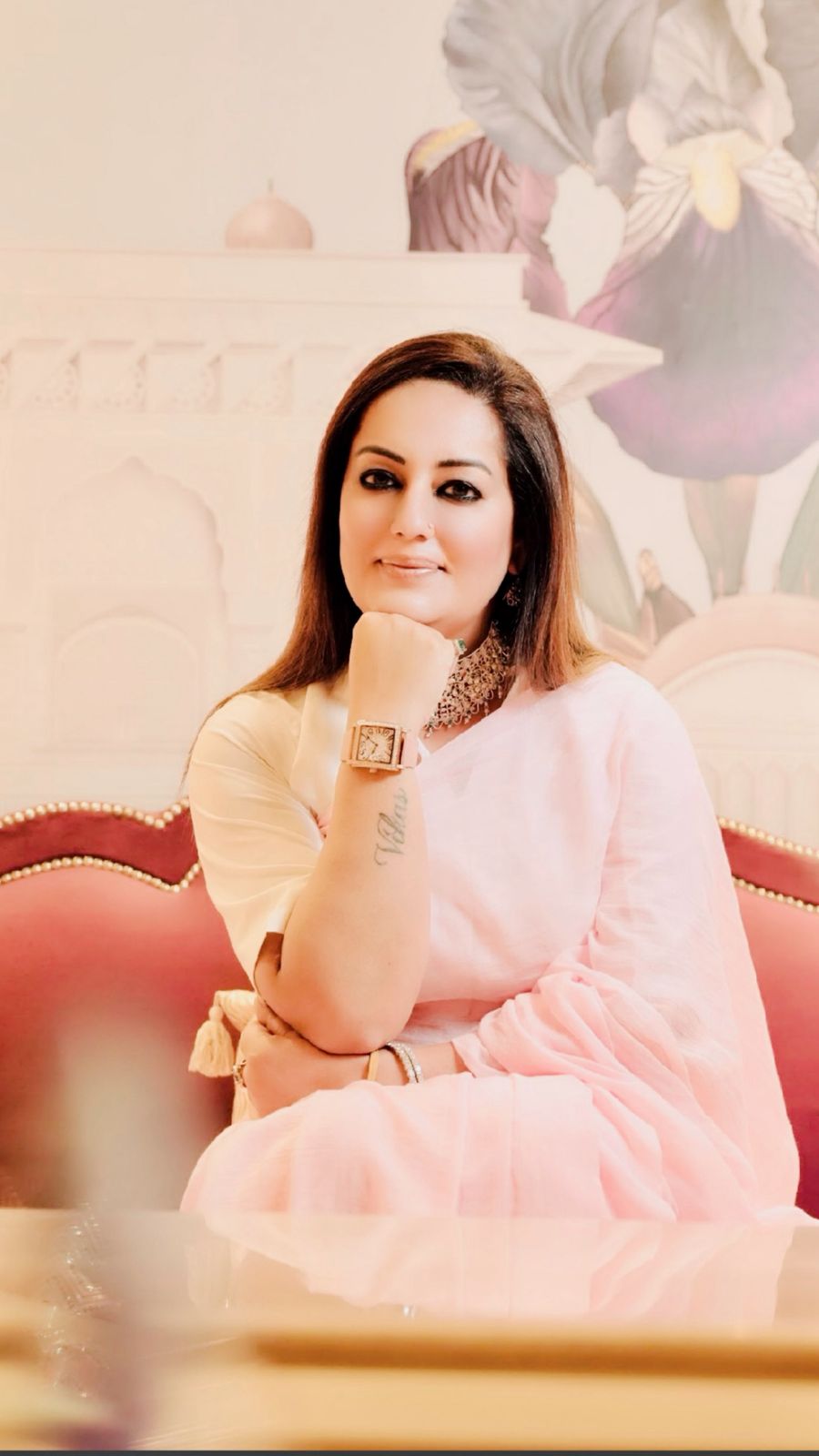
As the beauty and wellness industry continues to evolve, premium salons are witnessing a major shift in consumer expectations. Today’s clients seek far more than routine grooming; they value expertise, personalized experiences, conscious beauty choices, and inclusive spaces that reflect modern lifestyles. In this interaction, Mrs. Harita Mehta, CEO of Nest Salon, shares her insights on how the salon industry is adapting to changing consumer behavior, the rise of sustainable beauty, the impact of technology, and the growing importance of creating gender-neutral, experience-driven luxury spaces.
1. How are consumer expectations in the premium salon segment evolving across metro and non-metro markets?
Consumer expectations are becoming increasingly experience-driven across both metro and non-metro markets. While metro clients often seek global trends, advanced techniques, and highly customized services, non-metro audiences are rapidly evolving with a strong inclination toward premium, quality-led experiences. The defining shift is that clients across geographies now prioritize expertise, transparency, and consistency over pricing or convenience alone.
2. With the rise of at-home beauty services, how can luxury salons stay relevant?
Luxury salons remain relevant by offering what cannot be replicated at home—expert-led services, advanced techniques, and a holistic, immersive experience. The focus is on creating an environment where clients can rely on professional expertise, access high-performance products, and enjoy a sense of indulgence and relaxation that goes well beyond routine grooming.
3. How is the salon industry adapting to the growing demand for sustainable and conscious beauty?
The industry is steadily moving towards cleaner formulations, mindful product curation, and more responsible operational practices. At The Nest Salon, there is a conscious effort to collaborate with brands that prioritize quality, safety, and integrity, while also encouraging efficient use of resources. As client awareness grows, salons are aligning with this shift through more informed, thoughtful, and responsible choices.
4. What role will technology play in enhancing personalization in salon experiences?
Technology is emerging as a key enabler in understanding client preferences and ensuring consistency in service delivery. From maintaining detailed digital records of past services to enabling seamless booking and communication, it enhances the overall client journey. That said, the human touch remains central—with technology designed to support, not replace, the stylist-client relationship.
5. How is the industry responding to the shift towards gender-neutral and inclusive beauty spaces?
The industry is moving towards a more inclusive and progressive approach, where services are defined by individual needs rather than gender. Salons are increasingly creating welcoming, non-intimidating environments and offering customized solutions for every client. This reflects a broader cultural shift, where self-expression, comfort, and individuality are taking precedence over traditional categories.
More Stories
Tuesday London: From Canada To A Newlanguage Of Luxury
Courtyard by Marriott Pune, Chakan Introduces an Elevated Wedding Experience with Exclusive All-Inclusive Celebrations
Sankalp by Gyanirman: A Community-Led Initiative Turning Aspirations into Action